

Key takeaways
- Compare inverter TIG welders for equipment repair shops: AC/DC output for aluminum and steel, duty cycle, input voltage and pulse control, side by side.
Repair work rarely repeats itself. One morning the job is a cracked aluminum pump housing, by afternoon it is a stainless bracket, a mower deck or a steel frame with a fatigued weld. The real decision is which single inverter TIG machine covers that mix of metals and thicknesses, runs happily on the power your bay actually has, and keeps its duty cycle long enough to finish a repair in one sitting instead of waiting on thermal cut-outs.
This shortlist is for equipment repair shops, maintenance bays and small fabrication businesses that fix other people’s machinery. Every pick was chosen from its Amazon listing name and specification fields: each is an AC/DC inverter TIG welder with stick capability and pulse control, so aluminum, stainless and mild steel repairs all stay on one bench.
Quick Picks
As an Amazon Associate we earn from qualifying purchases.
| Product | Best for | Key spec from title |
|---|---|---|
| PrimeWeld TIG225X | Mixed repair benches that want the most headroom | 225 Amp IGBT AC/DC TIG/Stick with pulse |
| AHP AlphaTIG 203Xi | Aluminum-heavy repair work | 200 Amp IGBT AC/DC with pulse, 110/220V |
| YESWELDER TIG-250P | High-output repairs on a 220V circuit | 250 Amp AC/DC digital inverter with pulse |
| LOTOS TIG200 AC/DC | A second TIG station for overflow jobs | 200-amp AC/DC square-wave inverter, dual voltage |
How to Choose
AC output decides whether aluminum repairs stay in-house
Aluminum is the metal that separates repair-shop TIG machines. Welding it properly takes alternating current, because the AC cycle scrubs the oxide layer off the surface while the DC half drives heat into the joint. A DC-only inverter handles steel and stainless all day but leaves you turning away cracked housings, intake parts and alloy brackets, or bodging them with a spool gun. All four machines here are AC/DC units. If your intake includes cast aluminum parts, also look for adjustable AC balance and frequency, which let you widen or narrow the cleaning action on dirty, aged castings.
Duty cycle at working amperage, not the headline number
The big amp figure on a listing is a ceiling, not a work rate. Duty cycle tells you how many minutes in ten the machine can hold a given output before it needs to rest, and repair work exposes weak figures fast: a long seam on a trailer frame or a thick lug repair runs the arc far longer than a tack-and-check fabrication job. Compare the cycle at the amperage you will actually use, often 150 to 200 amps for shop repairs. A machine rated at 60 percent at 200 amps keeps pace with steady bench work; one that only reaches its peak output at a low cycle will keep pausing mid-repair.
Match the input voltage to the circuits your bay really has
Many repair shops grew one outlet at a time, so the welding corner may offer only a household-style 110/120V receptacle while the compressor sits on the shop’s one 220/240V line. Dual-voltage inverters solve that: they run reduced output on the lighter circuit for small fixes and deliver full amperage when plugged into the heavier one. A 220V-only machine is fine if the bay is already wired for it, but it is a stranded purchase if not. Before ordering, walk the bay, note the receptacles near the bench, and check the breaker size against the input current the listing states.
Arc initiation and pulse control for thin, heat-sensitive parts
Repairs often involve thin or irreplaceable parts: a stainless instrument bracket, a radiator neck, the wall of a cast housing next to a machined face. High-frequency initiation lights the arc without touching the tungsten to the work, which protects both the part’s surface and the electrode. Pulse control then cycles the current between a peak and a background level, putting in enough heat to fuse the joint while letting the puddle cool between pulses. Together they make thin-section repairs controllable instead of a gamble, so treat both as working requirements rather than luxuries on a repair bench.
The 4 Best Options
PrimeWeld TIG225X

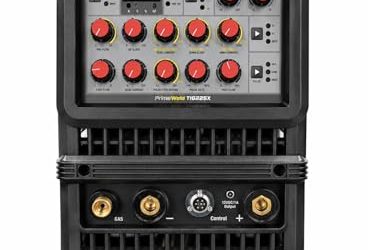
The TIG225X suits a general repair bench that cannot predict its next job. Its 225-amp ceiling covers thicker steel sections and aluminum plate that would strain a 200-amp machine, while AC output keeps cast and sheet aluminum repairs in-house. Pulse control helps on thinner work, and the package centres on a CK17 flex-head torch, which reaches into awkward corners on assembled equipment better than a rigid torch. Stick capability is built in, so the same unit handles a rusty frame repair outdoors where TIG shielding gas would blow away.
Specs
- Processes: AC/DC TIG and stick
- Maximum output: 225 amps
- Inverter type: IGBT
- Pulse TIG: yes
- Included torch: CK17 flex-head TIG torch with cable
- Warranty stated in listing title: 3 years
Best for: A single main bench handling the full spread of repair metals and thicknesses.
Watch out for: Availability evidence for this listing conflicts between sources, so confirm a live offer on this exact ASIN before ordering.
ASIN: B07BXHRBQ8
AHP AlphaTIG 203Xi
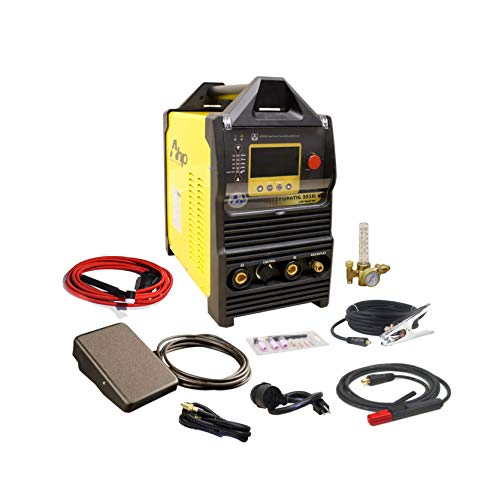
Shops whose intake leans toward aluminum will appreciate how much arc shaping the 203Xi exposes. Its listing gives adjustable AC frequency across a 20 to 200 Hz span and adjustable AC balance, the two controls that matter most when a casting is old, oily or porous and the cleaning action needs widening. Output tops out at 200 amps with a 60 percent duty cycle at that figure on 240V input, and dual voltage means it still runs smaller jobs from a 110V receptacle. A foot pedal is included for modulating heat mid-repair.
Specs
- Processes: AC/DC TIG and stick
- Maximum output: 200 amps
- Input voltage: 110/220V dual voltage
- Inverter type: IGBT, with pulse
- Duty cycle: 60 percent at 200 amps on 240V input
- AC frequency: adjustable, 20 to 200 Hz per the listing
- Foot pedal: included
- Warranty stated in listing title: 3 years
Best for: Aluminum-heavy repair work where castings need adjustable cleaning action.
Watch out for: AHP sells this model in more than one model-year revision and bundle, so confirm the listing you order is the current 203Xi with the pedal included.
ASIN: B076BSD6PG
YESWELDER TIG-250P

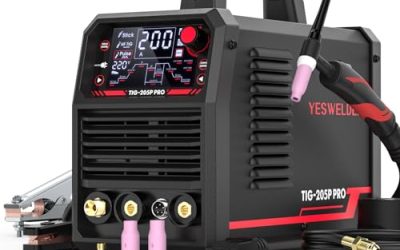
The TIG-250P brings the highest output in this group, a 250-amp TIG ceiling that gives a repair bench room for thick lugs, heavy brackets and build-up work on worn shafts. It is a digital inverter with pulse for AC and DC work, and the box carries two torches, a WP-26 for general work and a WP-9 spot torch for tight access. At under 35 pounds it is also the easiest of the four to carry out to a machine that cannot come to the bench. The trade-off is input: this is a 220V machine, with no lighter-voltage option.
Specs
- Processes: AC/DC TIG and stick
- TIG output range: 10 to 250 amps
- Input voltage: 220V
- Inverter type: digital inverter, with pulse
- Included torches: WP-26 TIG torch and WP-9 spot TIG torch
- Item weight: 34.9 pounds
Best for: High-output repairs and mobile jobs around the shop, where 220V power is available.
Watch out for: It runs on 220V only, so check the bay or the job site has a suitable circuit before relying on it.
ASIN: B08CBD1L69
LOTOS TIG200 AC/DC

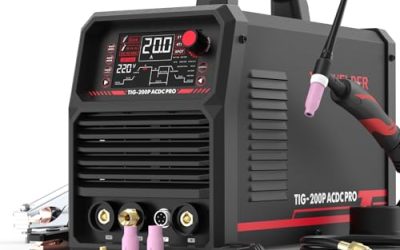
The TIG200 fits shops that need a capable second station or a first dedicated TIG bench without overspending the tool budget. It is a 200-amp square-wave inverter covering AC and DC TIG plus stick, with automatic dual-voltage input that switches between 110V and 220V without a manual selector. High-frequency initiation and a foot pedal are part of the package, and its listed duty cycle of 60 percent at 190 amps on 220V input is respectable for repair-length seams. Controls stay simple, which suits a bench shared by several technicians.
Specs
- Processes: AC/DC TIG and stick
- Maximum output: 200 amps
- Inverter type: square-wave inverter
- Input voltage: 110/220V dual voltage, automatic
- Arc initiation: high frequency, with foot pedal included
- TIG duty cycle: 60 percent at 190 amps on 220V input
Best for: A second TIG station, or a first bench that must cover aluminum and steel.
Watch out for: Published figures for this model vary between manual revisions, so verify the duty cycle and included accessories on the listing itself before ordering.
ASIN: B00AFM33R0
Which One Fits Your Situation
Your intake is mostly aluminum castings and housings
Choose the AHP AlphaTIG 203Xi. Cast parts arrive dirty and oxidised, and its adjustable AC balance and frequency let the operator widen the cleaning zone or tighten the arc to suit each casting. The 200-amp output with a 60 percent duty cycle covers typical housing thicknesses, and the included foot pedal helps feather heat near thin walls and machined faces.
One bench has to handle every repair that rolls in
The PrimeWeld TIG225X is the generalist here. Its 225-amp ceiling reaches thicker steel sections, AC output keeps aluminum work in-house, pulse steadies thin jobs, and stick mode covers outdoor or rusty repairs where shielding gas will not stay put. The flex-head CK17 torch also earns its keep on assemblies that cannot be stripped down to a flat bench position.
The repair cannot come to the bench
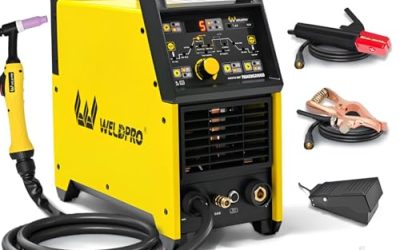
Take the YESWELDER TIG-250P out to the machine instead. It is the lightest unit in this group and carries the highest output, so it handles heavy on-site fixes as well as bench work. Two torches in the box cover open work and confined spots. Just confirm a 220V supply at the machine’s location first, because this model has no lower-voltage fallback.
You are adding TIG capacity without rebuilding the bay
The LOTOS TIG200 suits a growing shop. Automatic dual-voltage input means it runs wherever a free receptacle exists, the control layout is quick for different technicians to pick up, and 200 amps of AC/DC output covers the overflow aluminum and steel jobs that queue behind your main bench. Its listed duty cycle is honest for repair-length work rather than continuous production seams.
Common Mistakes
- Buying a DC-only inverter because the amp figure looked strong, then discovering it cannot weld the aluminum castings that make up much of a repair shop’s intake.
- Comparing headline amperage alone and ignoring duty cycle, so the machine keeps cutting out halfway through long seams on frames and decks.
- Ordering a 220V-only welder before checking which circuits actually reach the welding bay, leaving it idle until an electrician visits.
- Assuming the box contains everything: shielding gas, tungsten electrodes, filler rod and a regulator are separate purchases on most listings, so read the included-components field carefully.
- Skipping the foot pedal or torch-switch control and trying to run fixed amperage on thin parts, which makes burn-through on irreplaceable components far more likely.
Frequently Asked Questions
Why does a repair shop need AC TIG instead of DC only?
Because repairs arrive in whatever metal the broken equipment happens to be. DC TIG welds steel and stainless well, but aluminum needs alternating current to break up its oxide layer while welding. An AC/DC inverter keeps both repair streams on one machine instead of turning aluminum jobs away.
How much duty cycle does equipment repair work actually need?
More than hobby fabrication, because repairs often involve long seams and thick sections run in a single session. A figure around 60 percent at 190 to 200 amps, as several listings here state, keeps a bench moving through typical jobs. Lower figures still work if your repairs are mostly short welds with natural pauses.
Can these inverters stick weld as well as TIG weld?
Yes. Every machine in this roundup lists stick (MMA) alongside TIG in its Amazon title or specification fields. Stick mode earns its place on rusty, painted or outdoor repairs where TIG’s gas shielding is impractical, so one inverter can cover the clean bench work and the rough yard work.
What else needs buying before the first repair job?
Plan on an argon cylinder and regulator if the listing does not include one, plus tungsten electrodes, filler rods matched to your common metals, collets and cups for the torch, and personal protective equipment. Check each listing’s included-components field, because torch and pedal bundles differ between these four machines.
More from Amazon
Programs that pair well with the guide above. Offers and eligibility are set by Amazon and may change.
Set up recurring deliveries of everyday items on eligible products. Terms and savings are set by Amazon.
Explore Subscribe & SaveCollect the home and kitchen items you want in one registry that guests can shop from.
Create a wedding registryFree shipping on eligible items, Prime Video and more. Eligible new members can start with a free trial.
Start a Prime free trialAudiobooks and podcasts to listen to on the go. Eligible new members can start with a free trial.
Try Audible freeAs an Amazon Associate we earn from qualifying purchases.
Write Your Review
No reviews yet. Be the first to share your experience!