

Key takeaways
- Five inverter TIG welders for garage workshops compared on AC and DC output, amperage and voltage, from full AC/DC machines to a steel-only DC pick.
Every garage TIG decision starts with a single question: will you ever weld aluminum? Answer yes, and you need AC output, because that is what cleans the oxide layer off aluminum as you weld. Answer no, honestly, and a DC-only machine covers steel and stainless work for noticeably less complexity. Amperage, input voltage, and the torch gear in the box all matter, but they come after that fork in the road, because no accessory fixes a machine that lacks the output type your metal requires.
The five welders below split along exactly that line. Four are AC/DC machines with different balances of power, controls, and brand support; the fifth is a DC-only unit included deliberately for steel-only garages, and it is labelled as such everywhere it appears. Every specification quoted here comes from the model’s own Amazon listing, including the places where a listing is quieter about a number than you might expect.
Quick Picks
As an Amazon Associate we earn from qualifying purchases
| Product | Best for | Key spec from title |
|---|---|---|
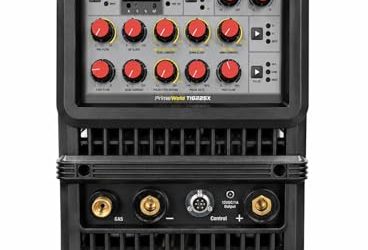
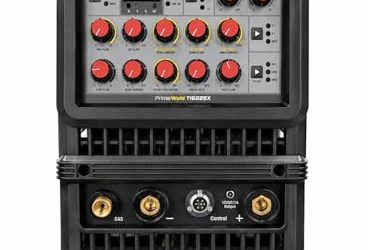
| PrimeWeld TIG225X | Full-featured AC/DC for mixed garage work | 225 Amp AC/DC TIG/Stick with pulse |
| YESWELDER TIG-250P ACDC | The most amperage in this group | 250 Amp AC/DC aluminum TIG with pulse |
| AHP AlphaTIG 225Xi | Dual-voltage AC/DC value | AC/DC pulse TIG/Stick, 110V/220V |
| Lincoln Square Wave TIG 205 | Buyers who want the established brand | AC/DC TIG and Stick, 120V/230V |
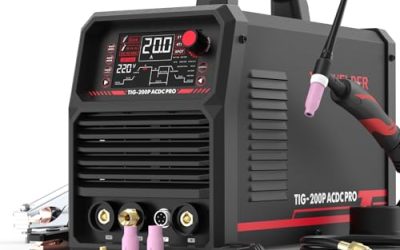
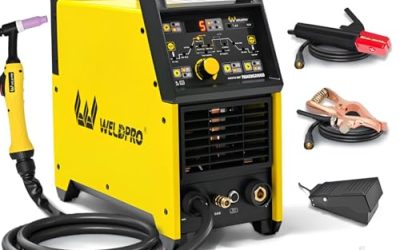
| YESWELDER TIG-205DS | Steel-only garages on a budget | 205 Amp DC TIG/Stick, foot pedal included |
How to Choose
AC or DC Output: The Decision That Comes First
Aluminum decides this for you. TIG welding aluminum requires AC output so the arc can strip the oxide skin from the surface while you weld; a DC-only machine physically cannot do it properly, no matter how skilled the operator. Steel and stainless steel, by contrast, weld beautifully on DC. So inventory your actual projects before shopping: exhaust work, brackets, frames, and repairs are usually steel, while intakes, intercooler piping, wheels, and boat parts are usually aluminum. Buy AC/DC if aluminum is even a realistic future project, because upgrading later means replacing the whole machine.
Amperage and the Thickness You Actually Weld
Garage work clusters around thin tubing, sheet, and plate up to about a quarter inch, and that range does not demand the biggest machine on the shelf. What matters is controlled output at the low end for thin material and enough top end for the thickest steel you genuinely weld. The machines here run from 205 to 250 amps at maximum, which covers garage fabrication comfortably. Treat headline amperage as a ceiling rather than a target, and pay more attention to how finely the machine lets you set and hold a low arc for body panels and thin-wall tube.
Dual Voltage and Your Garage Wiring
A dual-voltage machine runs on a household 110V or 120V outlet for light work and steps up to 220V or 230V when the job gets serious, which suits garages where the heavy circuit exists but is shared with other tools. A 220V-only machine assumes that circuit is always available and leaves you stranded at a friend’s house or a rented space with only standard outlets. Check what your garage actually offers before choosing: the outlet by the door and the circuit behind the workbench are different things, and the welder has to match the one you will really use.
Pulse, AC Balance, and What Is in the Box
Pulse control helps on thin material by cycling the arc so the puddle stays controlled without cooking the edges, and it is worth having if sheet and tubing dominate your project list. On AC, adjustable balance and frequency shape how the arc cleans and how tight it runs on aluminum. Then look at the box contents with a cold eye: a torch, a foot pedal, and the cables you need on day one are worth real money, while a machine that ships bare can quietly add a second purchase before you strike your first arc.
The 5 Best Options
PrimeWeld TIG225X

The TIG225X is the most complete garage package in this group. The listing describes a 225 Amp IGBT AC/DC TIG and stick welder with pulse, dual voltage input for 110V and 220V circuits, and AC frequency adjustable from 40 to 200 Hz alongside adjustable AC balance. Output starts as low as 10 amps, which is the range that matters for thin tubing and sheet. A CK17 flex torch and cable are included, so the box is closer to weld-ready than most. For a home shop that moves between steel fabrication and the occasional aluminum job, this is the machine that asks the fewest compromises.
Specs
- Output: 225 Amp AC/DC TIG and stick, with pulse
- Technology: IGBT inverter, per listing
- Input: dual voltage 110V/220V
- AC controls: frequency 40–200 Hz; adjustable AC balance
- Output range: 10–225 amps, as listed
- Included: CK17 flex torch and cable
Best for: A mixed-metal garage shop that wants AC/DC, pulse, and a proper torch in one purchase.
Watch out for: Availability on Amazon has been intermittent, so confirm the listing is live before planning around it; the listing copy also does not state a duty cycle figure.
ASIN: B07BXHRBQ8
YESWELDER TIG-250P ACDC

The TIG-250P ACDC leads this group on raw output. Its listing title describes a 250 Amp AC/DC aluminum TIG welder with pulse, a digital inverter design, and TIG and stick processes, which makes it the pick when thicker aluminum or heavier steel sections are regular work rather than rare events. The trade-off sits in the title too: this is a 220V machine, so it belongs in a garage with a proper heavy circuit already in place. Buyers with that wiring get the strongest machine here; buyers without it should look at the dual-voltage options instead of planning an electrician visit around a welder.
Specs
- Output: 250 Amp AC/DC, with pulse
- Processes: TIG and stick, digital inverter
- Input: 220V only, per listing title
- Aluminum: AC output for aluminum TIG, per listing title
Best for: Garages with a 220V circuit that regularly weld thicker aluminum and steel.
Watch out for: Stock on Amazon has been reported intermittent, so check the listing before relying on it; there is no 110V fallback for light jobs or off-site work.
ASIN: B08CBD1L69
AHP AlphaTIG 225Xi
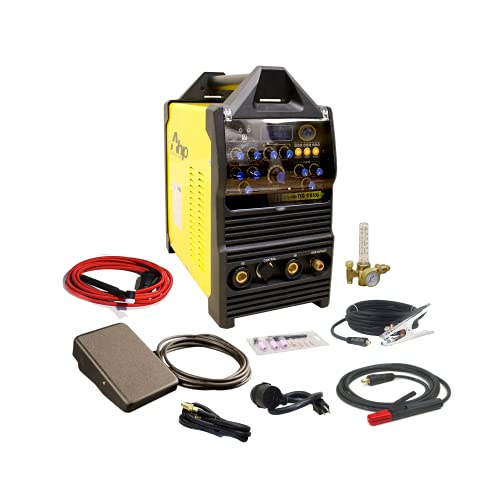
The AlphaTIG 225Xi is the dual-voltage AC/DC option for buyers who want the full process range without the premium brand badge. The listing describes an IGBT AC/DC pulse TIG and stick welder running on 110V or 220V, which covers both the household outlet and the heavy circuit. One quirk deserves attention: the model name says 225Xi, but the listing title rates the machine at 200 Amp, so judge it by the listed figure rather than the badge. That honesty check aside, the package delivers the two things garage welders actually need — AC for aluminum and dual voltage for real-world outlets.
Specs
- Output: 200 Amp as stated in the listing title (model name 225Xi)
- Type: IGBT AC/DC pulse TIG and stick welder
- Input: 110V/220V dual voltage
Best for: Home shops that want AC/DC capability and dual voltage at a value-oriented position in the range.
Watch out for: Go by the listing’s 200 Amp figure, not the model name, when matching it to thick work; a wireless foot pedal variant exists as a separate listing, so confirm which version you are ordering.
ASIN: B096L9Y57J
Lincoln Square Wave TIG 205

The Square Wave TIG 205 is the pick for buyers who weight manufacturer support and a long-established welding brand above spec-sheet extras. The listing describes an AC/DC TIG and stick welder with dual voltage 120V/230V input, high-frequency start, and adjustable AC frequency and AC balance controls, which is the adjustment set that shapes aluminum work. At 36 lb it is a genuinely portable machine by garage standards, easy to move between bench and vehicle. Maximum output is 205 amps per the model name. Nothing here is exotic; the appeal is a proven badge and controls that cover both metals properly.
Specs
- Output: AC/DC TIG and stick, up to 205 amps per model name
- Input: dual voltage 120V/230V
- Weight: 36 lb, as listed
- Controls: adjustable AC frequency and AC balance; high-frequency start
Best for: Buyers who prefer an established welding brand and a portable machine for mixed garage work.
Watch out for: The listing copy captured for this machine does not state a duty cycle figure, so check the product page if long runs on thick plate are part of your work.
ASIN: B0F3JXZ4KR
YESWELDER TIG-205DS
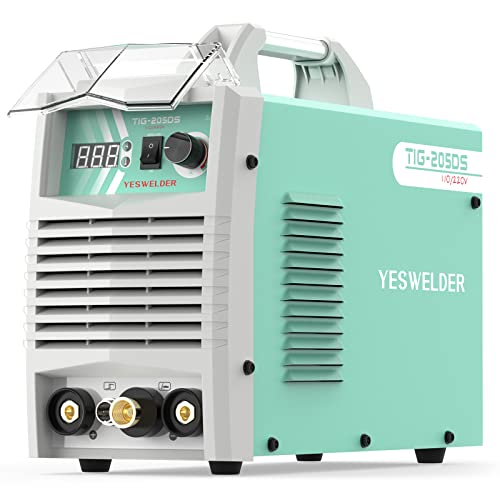
The TIG-205DS is the honest budget answer for a garage that welds steel and stainless only. The listing describes a 205 Amp high-frequency start TIG, stick, and arc machine with dual voltage 110V and 220V input, and a foot pedal is included per the listing title, which many budget machines leave as an extra. What it does not have is AC output, and that limitation is absolute: this machine cannot TIG weld aluminum, full stop. If your project list is exhausts, brackets, frames, and repairs in steel, that limitation may never matter, and you get a capable dual-voltage machine for the work you actually do.
Specs
- Output: 205 Amp DC TIG/Stick/Arc, 2-in-1
- Start: high-frequency start
- Input: 110V and 220V dual voltage
- Included: foot pedal, per listing title
- Aluminum: not supported; DC output only
Best for: Steel and stainless garage fabrication where aluminum is genuinely never on the project list.
Watch out for: DC only means no aluminum TIG, ever; if there is any chance of aluminum work later, buy one of the AC/DC machines above instead.
ASIN: B08882MFWP
Which One Fits Your Situation
Your Projects Include Aluminum Parts
Buy one of the AC/DC machines, because DC cannot weld aluminum properly. The PrimeWeld TIG225X suits most mixed shops with its pulse control and included torch, while the YESWELDER TIG-250P ACDC is the step up for thicker aluminum if your garage already has a 220V circuit to feed it.
You Only Ever Weld Steel and Stainless
The YESWELDER TIG-205DS was made for you. Exhausts, brackets, chassis repairs, and stainless work all run on DC, and this machine adds dual voltage and an included foot pedal at the budget end of the range. Spend the savings on gas, filler, and a decent helmet instead of output you will never switch on.
Your Garage Has One Household Outlet and Big Ambitions
Choose a dual-voltage machine and grow into it. The AHP AlphaTIG 225Xi and the Lincoln Square Wave TIG 205 both run on standard outlets for light work today and step up to full output when a heavy circuit arrives, so the welder never becomes the reason a project waits.
You Want the Brand With the Longest Track Record
The Lincoln Square Wave TIG 205 is your pick. Its controls cover AC frequency and balance properly, it carries easily at 36 lb, and the badge brings the dealer and support network that value brands cannot match. You give up some headline amperage against the 250 Amp option, and most garage work will never notice.
Common Mistakes
- Buying a DC-only machine and discovering at the first aluminum job that no setting or accessory can make it weld aluminum.
- Choosing on headline amperage while ignoring low-end control, then struggling to weld the thin tubing and sheet that fill most garage projects.
- Ordering a 220V-only welder for a garage that only has household outlets, or assuming the outlet near the door is a heavy circuit.
- Comparing prices in your head without checking what is in the box; a missing foot pedal or torch is a second purchase, not a saving.
- Treating a model name as a specification — at least one machine here is listed at a lower output than its badge suggests.
Frequently Asked Questions
Can a DC TIG welder weld aluminum?
Not properly. Aluminum TIG needs AC output so the arc can clean the oxide layer from the surface during welding, and a DC-only machine like the TIG-205DS cannot do that. If aluminum is on your project list now or plausibly later, buy an AC/DC machine from the start rather than replacing the welder after the first failed attempt.
Do I need a 220V circuit for garage TIG welding?
For full output, yes; for light work, not necessarily. Dual-voltage machines such as the AlphaTIG 225Xi and the Square Wave TIG 205 run on household outlets at reduced output and use the heavy circuit when you need everything they have. A 220V-only machine like the TIG-250P ACDC has no such fallback, so check your garage wiring first.
What does pulse actually do for a garage welder?
Pulse cycles the arc between high and low output many times per second, which keeps the puddle controlled on thin material without overheating the edges. It earns its keep on sheet metal, thin-wall tubing, and stainless work where burn-through is the usual failure. On thick plate it matters far less, so weight it according to the material you weld most.
Is 200 amps enough for a home workshop?
For the work most garages see, yes. Brackets, frames, exhaust tubing, and plate up to about a quarter inch sit comfortably inside a 200 to 225 amp machine’s range, especially with dual voltage feeding it properly. The 250 Amp option in this group is for people who regularly weld thicker sections, not a requirement for ordinary fabrication.
More from Amazon
Programs that pair well with the guide above. Offers and eligibility are set by Amazon and may change.
Set up recurring deliveries of everyday items on eligible products. Terms and savings are set by Amazon.
Explore Subscribe & SaveCollect the home and kitchen items you want in one registry that guests can shop from.
Create a wedding registryFree shipping on eligible items, Prime Video and more. Eligible new members can start with a free trial.
Start a Prime free trialAudiobooks and podcasts to listen to on the go. Eligible new members can start with a free trial.
Try Audible freeAs an Amazon Associate we earn from qualifying purchases.
Write Your Review
No reviews yet. Be the first to share your experience!